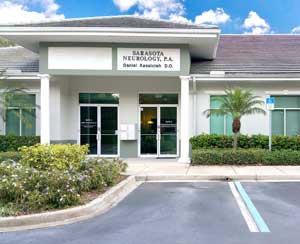




As a neurologist who sees many patients with neck, back and various joint pains, I practice an area of medicine known as neuro-orthopedics. As such, I treat patients for their pain without surgical intervention. Many patients with neck, back and joint pain (knee pain, shoulder pain, elbow pain, etc.) can be successfully treated without invasive surgery and the many risk that go along with this. With surgery there is also a prolonged recovery time and need for extensive rehabilitation. The area of medicine that applies to successfully treating patients without surgery or use of narcotic medications is known as regenerative medicine. In this field, platelet rich plasma is injected into the affected joint, tendon, ligament or soft tissue area that has pain and is failing to heal completely. Tendons attach muscle to bone and ligaments attach bones to bones. Platelet rich plasma (PRP) is the concentrated healing components of the blood. Only one percent of the blood contains the bioactive proteins and platelets that are involved in healing. Through a specialized process, we can take the patient’s own blood and concentrate the platelets and bioactive proteins up to 500%. This small amount of concentrated PRP is then injected into the joint or other body area, that needs regeneration, after local anesthetic is administered. The PRP graft is then activated with thrombin and the healing process begins. Using the patient’s own blood eliminates the risk of transmitting disease and prevents graft rejection. PRP also has the benefit of being antimicrobial, killing off bacteria thereby limiting the risk of infection. David Crane, MD published an excellent overview of platelet rich plasma.
Platelet rich plasma works by first being injected into the affected area and activated. The activated platelets attach themselves to the damaged tissue, whether that be tendons, ligaments, muscle or bone. The platelets release alpha granules and dense particles. The small packets contain powerful bioactive proteins that begin the healing process. The alpha granules contain clotting factors, growth factors, cytokines and adhesion molecules. These substances allow the PRP graft to attach to the damaged tissue and start recruiting other healing cells to migrate into the area. The dense particles contain proteins that allow the platelets to clump together, forming the structural matrix of the PRP graft.
{ 1 comment }